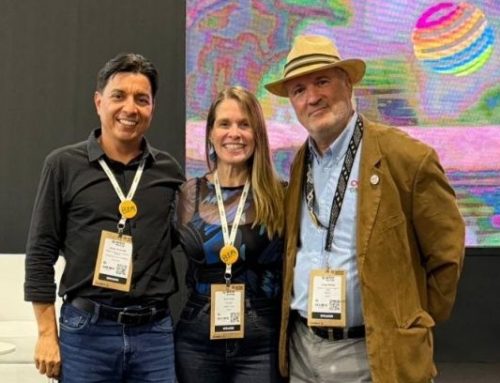


GSTC attended a series of European tourism policy and sector events held in Brussels from January 26 to 28, 2026, as part of European Tourism Week. These events brought together European institutions, public authorities, and tourism stakeholders to address current priorities and future directions for the tourism sector in Europe. GSTC was represented at the events by Dr. Ioannis Pappas, Regional Director for Europe, and Wendy Li, GSTC National Programs Director, who attended the sessions and activities included in the official programs. Their presence formed part of GSTC’s ongoing engagement with European stakeholders and industry initiatives related to sustainability and destination management.
European Tourism Day – January 26, 2026
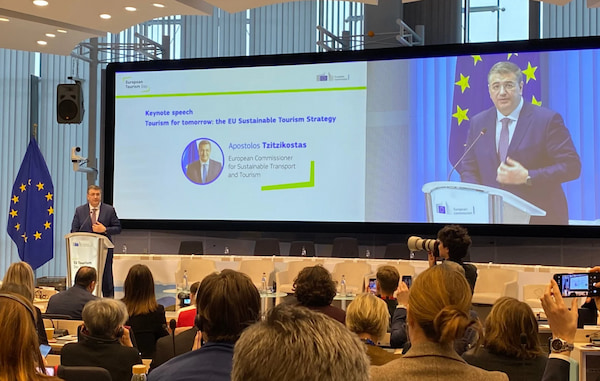 European Tourism Day was organized by the European Commission and brought together representatives from EU institutions, national tourism authorities, destinations, and tourism stakeholders. The event took place in the Charlemagne Building in Brussels and was also livestreamed. Ahead of the launch of the first-ever European Sustainable Tourism Strategy later in the year, the event focused on current priorities for the European tourism sector with discussions addressing competitiveness, sustainability, and digitalization. The event brought together high-level speakers and stakeholders from across the European tourism ecosystem, including representatives from DG MOVE, UN Tourism, TUI (GSTC Member), Radisson Hotel Group (GSTC Member), and CLIA (GSTC Member), alongside representatives from numerous European governments. The EU Commissioner for Sustainable Transport and Tourism, Apostolos Tzitzikostas, delivered a keynote address outlining immediate priorities for the sector, including balanced tourism development, carbon emissions reduction, and skills development.
Tourism for Europe, Europe for Tourism – January 26, 2026
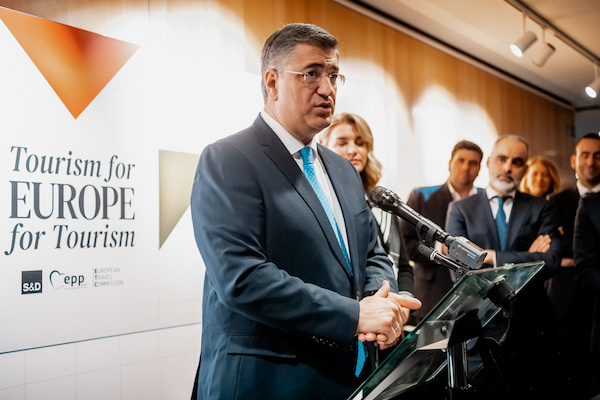
The opening of the exhibition at the European Parliament in Brussels was hosted by the European Travel Commission (ETC) together with Members of the European Parliament, Daniel Attard (S&D, Malta) and Nikolina Brnjac (EPP, Croatia). The exhibition was officially opened by Apostolos Tzitzikostas and presented several initiatives and projects linked to the Transition Pathway for Tourism and the future development of tourism in Europe. Highlighting approaches to destination management, tourism transformation, and public-private stakeholder cooperation. GSTC attended the exhibition as part of its engagement in European Tourism Week activities.
Branding Destination Europe Workshop – January 27, 2026
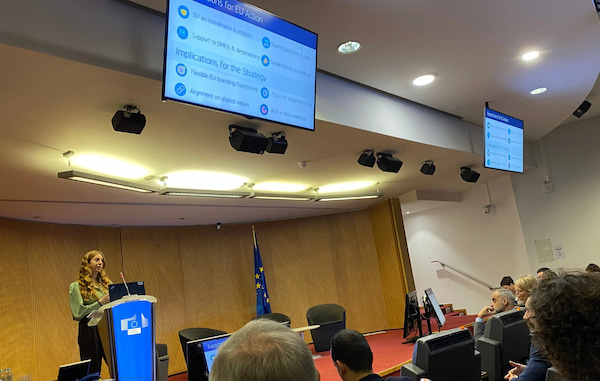 The Branding Destination Europe Workshop provided a forum for stakeholders to exchange views on the policy framing of Destination Europe and to contribute structured input to the EU Sustainable Tourism Strategy.
The discussions addressed Destination Europe as a shared European asset and examined its purpose and scope for both international and intra-European travelers, while maintaining complementarity with national and regional brands.
The workshop also considered practical principles for stakeholder cooperation and coordination across levels, with a focus on aligning European, national, and regional tourism branding and policy frameworks. The results of the public consultation on the EU Sustainable Tourism Strategy were presented to the attendees, as well as the presentation ‘Destination Europe – 15 years of joint action and key results’ that was delivered by Eduardo Santander, CEO, and Miguel Gallego, Head of Marketing, European Travel Commission (ETC).
D3 Hub Final Cross-Cluster Event – January 27, 2026
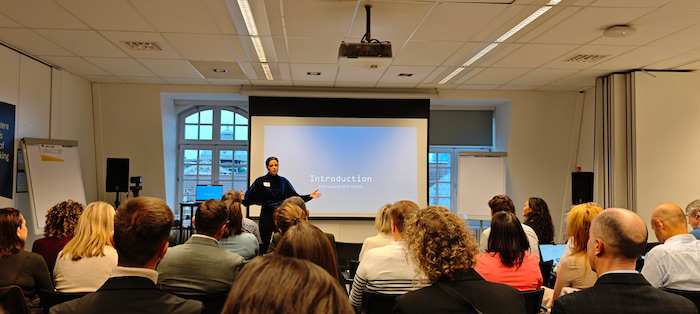
GSTC also attended the D3 Hub Final Cross-Cluster Event, part of the Tourism of Tomorrow: Data-Driven Destinations Hub project. The agenda included expert sessions on regenerative tourism approaches, customized visitor experiences in cultural and creative tourism, sustainable and responsible tourism with resident involvement, and the application of behavioral insights to support pro-environmental change.
The event also included exchanges between destination organizations involved in D3Hub pilot activities and reflections on future directions for tourism data management.
Revitalizing Rural Europe: Tourism as a Force for Positive Change – January 28, 2026
 The event “Revitalizing Rural Europe: Tourism as a Force for Positive Change” addressed the role of tourism in rural development. The program focused on tourism’s potential to contribute to local economies and rural communities, as well as the challenges and opportunities for rural tourism development.
The breakfast discussion showcased research, global initiatives, and real-world examples demonstrating how rural tourism supports local livelihoods, empowers communities, and spreads the benefits of tourism more evenly. Speakers included: GSTC Member Airbnb, the Digital Tourism Think Tank, the European Travel Commission, and UN Tourism.
“The discussions during European Tourism Week clearly showed that Europe is entering a decisive phase for tourism policy, with destinations at the center of the transition. The upcoming European Sustainable Tourism Strategy represents a critical opportunity to move from commitments to implementation, supporting destinations in balancing competitiveness, climate action, and community wellbeing. The GSTC Standards offer a common, credible framework that can help destinations translate this strategy into practical action on the ground, and GSTC looks forward to strengthening its collaboration with European institutions and destination stakeholders in the year ahead,” said Dr. Ioannis Pappas.
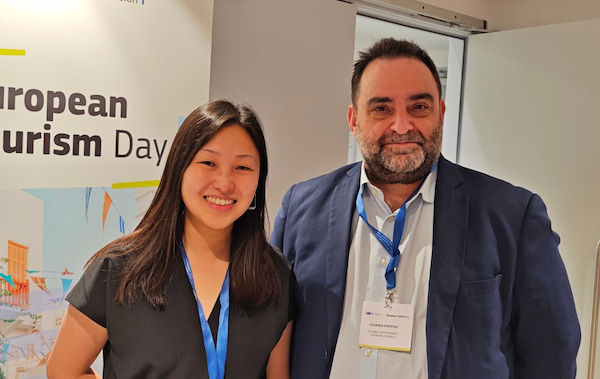 Wendy Li added, “It is an exciting time for GSTC in Europe. Anticipation of the new European Sustainable Tourism Strategy is uniting the sector around discussions of balanced tourism, training and skills development, and tourism governance that prioritizes the values of residents. The GSTC Standards provide a strong and tested framework to achieve this model of tourism, and we are here to support our partners in Europe as they implement the new tourism strategy.”
The events provided an opportunity to follow current discussions on tourism policy, destination development, and sector initiatives in Europe. Through attendance at these sessions and activities, GSTC deepened contact with European institutions and tourism stakeholders involved in shaping the future of tourism in the region.