

The Global Sustainable Tourism Council (GSTC) participated in the Sapporo MICE Promotion Committee MICE Seminar, held on Tuesday, January 27, 2026, at Lilac Square in Sapporo City, Hokkaido, Japan.
Yasufumi Takagi, Membership Manager, Tourism & MICE Promotion Department, of Sapporo City, did the opening remarks. He stated that ‘he hopes to deepen his understanding of sustainability through this seminar and to promote Sapporo’s appeal to MICE’.
Naomi Oiwa, GSTC Japan Market Development Manager was present at the event and delivered a keynote speech on why sustainable tourism must be promoted and the value of the GSTC MICE Standards as global guidelines for the industry. Mrs. Oiwa also emphasized the role of destinations and event organizers in translating sustainability commitments into practical action, highlighting the importance of measurement, transparency, and continuous improvement. By aligning their MICE operations with the GSTC MICE Standards, stakeholders can strengthen credibility, reduce environmental and social impacts, and respond more effectively to the growing expectations of clients, participants, and host communities.
“The GSTC MICE Standards give event organizers a common language to work with sustainability in a practical way, supporting their efforts to reduce impacts and meet the expectations of today’s event clients and participants,” said Ms. Oiwa.


After the seminar, participants engaged in group work to develop proposals for future sustainable MICE promotion. The discussions took into account the local community, event participants, and environmental considerations, with a focus on how sustainability principles can be incorporated into MICE planning and management. The teams examined practical approaches to applying these concepts at the destination and event levels, including coordination with local stakeholders and integrating sustainability into operational processes.
The session yielded a range of structured proposals to strengthen Sapporo’s positioning as a MICE destination and support the delivery of sustainable events. These proposals addressed both destination branding and event implementation, encompassing resource management, stakeholder engagement, and long-term planning. Overall, the outcomes reflected a shared interest in advancing sustainable MICE practices and in contributing to the continued development of Sapporo’s MICE strategy.
Sapporo’s Engagement with GSTC
Sapporo City, which joined the GSTC as a member in 2024, aims to continue strengthening its commitment to sustainable tourism. The city has been particularly active in promoting sustainable MICE events, led by the Sapporo Convention Bureau, which has long worked to align local initiatives with global standards for sustainable event management.
Over the past two years, the Sapporo City has hosted a GSTC Sustainable Tourism Course in 2024 and 2025 sponsored by the city and delivered on-site for municipal staff and key stakeholders; In addition, the GSTC Japan Members Meeting and Workshop was hosted by Sapporo City and JaSCA (Japan Sustainability Coordinator Association) in September 2025, bringing together more than 45 participants on-site and a further 50 participants online.
About Sapporo City
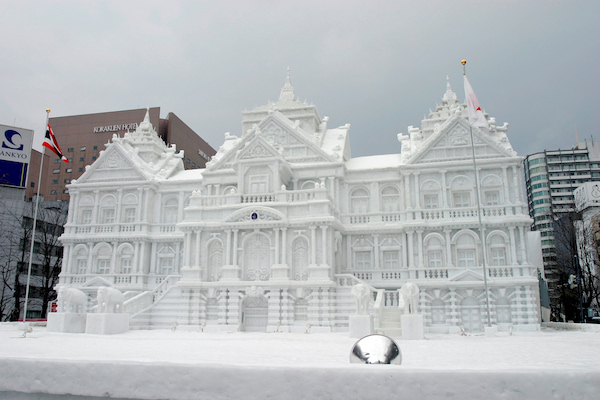 Sapporo City, with a population of 1.96 million, is the economic and cultural center of Hokkaido, combining urban development with natural surroundings. The city receives visitors from both Japan and abroad, offering scenic landscapes across all four seasons.
Sapporo is internationally renowned for its winter sports scene, having hosted the 1972 Winter Olympics, and is also home to the annual Sapporo Snow Festival which draws millions of visitors each year to admire its intricate snow sculptures and festive atmosphere.
Sapporo’s food culture is a notable aspect of the city, the Hokkaido cuisine includes miso ramen and fresh seafood, and it’s Sapporo Brewery produces one of Japan’s most iconic beers.