

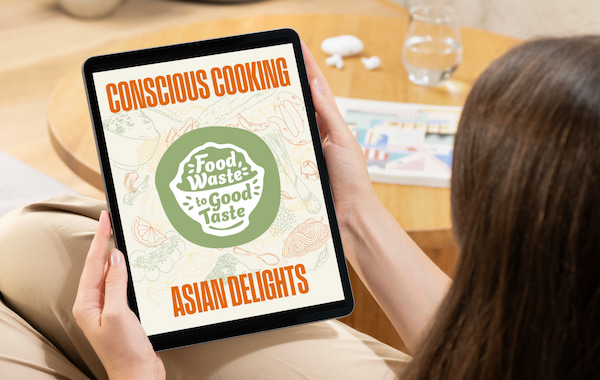
GSTC Member GREEN Hospitality participated in the launch of “Conscious Cooking – Asian Delights,” a cookbook developed in collaboration with the University of Hong Kong (HKU) School of Biological Sciences and the food-saving app CHOMP, the result of a three-year project among them, aiming to tackle food waste reduction in the hospitality industry.
Hong Kong’s Food Waste Problem
Food waste is a pressing global issue, with over one-third of all food produced ending up as trash. In Hong Kong alone, 3,437 tonnes of food waste are sent to landfills every day, accounting for 30% of the city’s total waste. The hospitality industry plays a significant role, contributing 778 tonnes of food waste daily. Yet, small changes in how people shop, preserve, cook, and eat can significantly reduce food waste. This context underscores the importance of initiatives such as Food Waste to Good Taste.
The publication marked the third edition of the Food Waste to Good Taste initiative, funded by HKU Knowledge Exchange, which aimed to reduce food waste by showcasing the potential of commonly discarded yet nutritious food items.
All profits from the sale of the cookbook will be donated to the Foodlink Foundation, a registered charity in Hong Kong dedicated to combating hunger, promoting self-sufficiency, and fostering nutritional wellness among those in need, while also reducing food wastage in hotels and food and beverage outlets in Hong Kong.
Insights from GREEN Hospitality
Lucia Loposova, Executive Director of GREEN Hospitality, emphasized the urgency of addressing food waste within the sector:
“Tackling food waste in the hospitality and tourism sectors is critical for ensuring sustainable development, as approximately 12% of global food waste is generated by our sector. If food loss and waste were a country, it would be the 3rd largest emitter of greenhouse gases in the world.
Socially, UNEP data shows that 1 billion meals are wasted while 783 million people face hunger, and a third of humanity experiences food insecurity. Therefore, tackling food waste in Hong Kong and globally is not just an environmental imperative but a societal responsibility, especially in the tourism sector, where resources are intensively utilised. By addressing food waste, we can create a more sustainable hospitality and tourism industry, reduce our ecological footprint, lower operating costs, and set a powerful example for responsible consumption and resource management.”
About the Cookbook
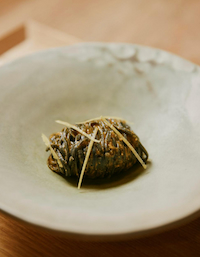
[Image note: Dry Assam Lemon Noodles by Chef Barry Quek, utilising lemon peels.]
The cookbook is available both as an e-book and in hardcover through the Foodlink Foundation’s website, as well as here: https://donorbox.org/food-waste-to-good-taste-2025
The video of this initiative can be viewed below:
–
About GREEN Hospitality
GREEN Hospitality is a Section 88 tax-exempt charity established in Hong Kong that sees hospitality and tourism as catalysts for advancing Sustainable Development Goals in the interest of the planet, people, and prosperity. By bringing together businesses, academia, the nonprofit sector, start-ups, and the government, GREEN Hospitality facilitates the sharing of knowledge, the creation of partnerships, and the incubation of solutions through innovation, collaboration, and research. Website: https://www.greenhospitality.io/
Note: This news item has been shared by a GSTC Member. The views and initiatives described are those of the Member.