

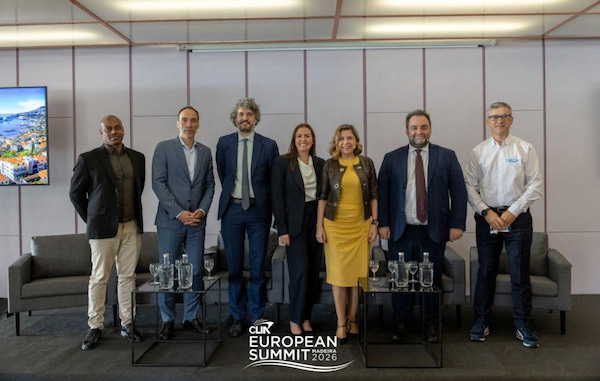
GSTC participated in the CLIA European Summit 2026, organized by the Cruise Lines International Association (CLIA), held from 23 to 26 February 2026 in Madeira, Portugal.
The Summit brought together a wide range of stakeholders from across the European cruise ecosystem, including industry leaders, policymakers, port authorities, destination representatives, and other industry stakeholders. The event provided a platform to exchange perspectives on the future of cruise tourism in Europe, with a particular emphasis on sustainability, regional development, innovation, and collaboration.
Throughout the program, discussions addressed the evolving role of the cruise sector within the broader tourism system, highlighting opportunities and challenges in environmental performance, community engagement, and destination stewardship. Particular attention was given to the need for stronger alignment between industry growth and the long-term resilience of destinations, as well as to fostering transparent and consistent sustainability approaches across stakeholders.
Representing GSTC at the Summit, Dr. Ioannis Pappas, Regional Director for Europe in GSTC, participated in the event, moderating the session “Local Sourcing, local impact: Building Sustainable Cruise Tourism through Regional Supply Chains and Community Partnerships”, along with colleagues:
- José António Ferreira, Director of JNA Shipping
- Figen Ayan, Founder & CEO – Strategic Advisor Ayan Consulting – Tura Turizm
- Andrea Baigorria, CEO & Founder of The Tourism Lab
- Eduardo Cabrita, General Manager, MSC Cruzeiros (Portugal)
- Anthony La Salandra, Director, Risposte Turismo
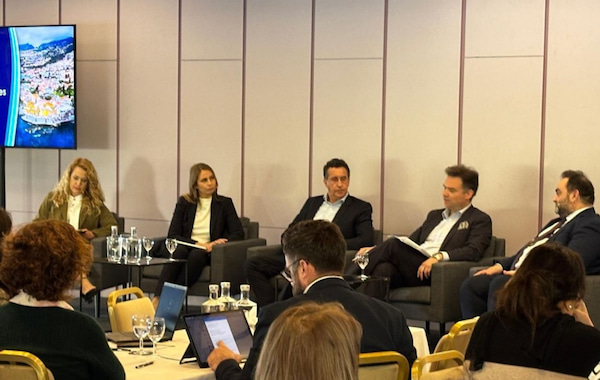 The session examined how cruise tourism could maximize its positive regional economic impact through strategic local sourcing and sustainable procurement practices. Bringing together stakeholders from across the tourism ecosystem, panellists discussed how the industry could build stronger partnerships with regional suppliers, local producers, and community-based businesses. With a focus on practical approaches, attendees gained insights into building a more sustainable and locally integrated cruise tourism model that creates lasting economic benefits for the communities where ships visit. During the session, Dr. Pappas emphasized the relevance of the GSTC Standards as a common reference point for decision-making and for supporting credible sustainability practices.
Also, Dr. Pappas participated in another Panel as a panelist, concerning « Social Sustainability in Cruise Port Communities », along with colleagues:
- Marie Blitza – Carnival Maritime, Director Port Operations
- Luis de Carvalho, Commercial Cruise Director, Copenhagen Malmö Port
- Marina Mylona – Tourism Officer A, Cyprus Deputy Ministry of Tourism
“Sustainable cruise tourism cannot be built through isolated actions. It requires real stakeholder engagement, where cruise lines, ports, local authorities, suppliers and communities sit at the same table — not only to consult, but to co-design the future of their destinations. Reliable certification of goods and services strengthens trust, transparency and market credibility, while structured destination management ensures that economic benefits are distributed fairly and environmental and social thresholds are respected. When governance is inclusive, standards are applied consistently, and procurement is aligned with sustainability principles, cruise activity can become a catalyst for resilient, competitive and socially cohesive destinations. The key is moving from dialogue to structured collaboration, grounded in measurable frameworks and shared accountability.” Dr. Pappas said.